Insights on AI Product and Experience Design
Most AI products do not fail because the model fails. They stall because the experience is only 'good enough'. Data is connected. Outputs work. But usability, trust, and interface architecture are underdesigned, so adoption plateaus before value compounds.
Teams often try to copy the stickiness of brands like Apple or Nike at the visual layer, then wonder why traction does not follow. The difference is not pixels. It is behavioral architecture. I help organizations move from acceptable to exceptional by designing AI experiences people actually adopt, trust, and depend on.

More Strategic Perspectives
No articles match that search and topic combination.
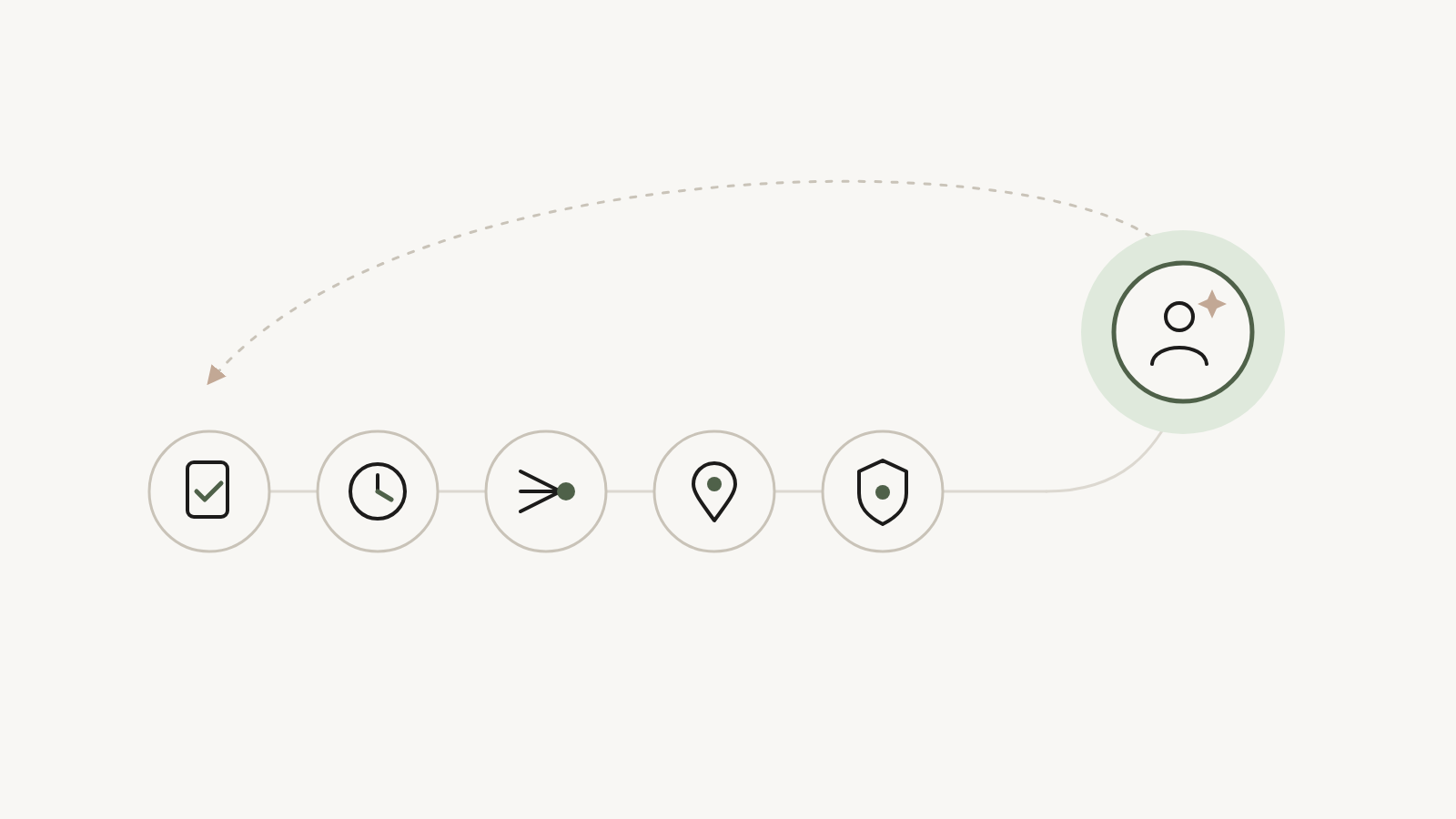
Inside Our AI Testing Sandbox: Six Steps to AI Agents Worth Trusting
Gartner's five steps get the data ready for AI agents. The sixth is where a person decides whether to trust what the agent did.

Trust Is a Product Feature: Designing the Trust Layer for Healthcare AI
Every healthcare company can license the same models. What can't be copied is how the AI earns a patient's trust.

What Separates the 6%: Why AI Returns Come From Judgment, Not Code
Code got cheap. Judgment didn't. Why the few companies seeing real AI returns redesign the work instead of speeding up the old way.

How to Put Your AI Agent on Rails
My AI assistant kept forgetting the same design rules. I stopped repeating them and wrote them into code.

How to Make Your AI Workflow Audit-Ready
AI gets your team to 60mph in an afternoon. The last few miles per hour decide whether the feature wins or flops.

On the NN/g Podcast: Presenting UX Work in a Compelling Way
Nielsen Norman Group invited me on their UX podcast to talk about storytelling and getting stakeholders to actually act on UX work.

I Failed My Own AI-Readiness Audit
I published the 10-point checklist, then ran it on my own site. Five and a half out of ten, and a silently broken contact form caught 18 hours before launch.
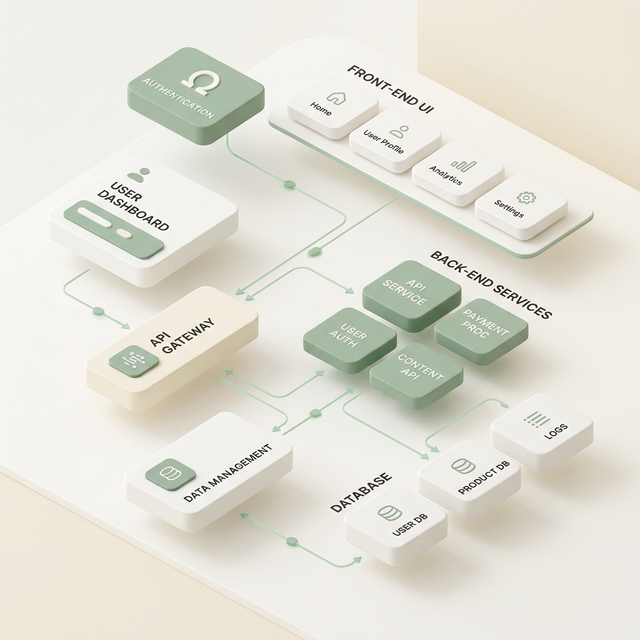
Is Your Design System AI-Ready?
Your design system's next consumer is an agent acting for your customer. A 10-point audit to find out if machines can buy from you.

AI Pilots Are Easy. ROI Is Hard. Where to Start.
Only 29% of companies see real ROI from AI. The gap is rarely the model, it is prioritization and adoption.

Design Systems for AI-Assisted Development
AI made shipping faster. Without a design system, it also made inconsistency faster.

AI Experience Design Beyond the Chatbox: Structuring UI for Specialized Agents
Why conversational UI hits limits in enterprise contexts, and how structured interaction patterns improve execution quality.

Friction Is a Feature: AI Experience Design for High-Stakes Decisions
In sensitive workflows, reducing all friction increases risk. Better systems place friction at exactly the right decision points.

The Citation Pattern: Building Trust in Generative Summaries
Teams won’t act on outputs they can’t verify. Citation-first patterns make AI summaries operationally trustworthy.

Why AI Adoption Stalls After the Pilot
Most pilots work in the demo and stall in production. The fix is organizational, not technical.

CAIO, Fractional, or AI Design Consultant: Who You Actually Need
Full-time, fractional, or advisory AI leadership? What each costs and when each fits.
How to Measure AI ROI: The Metrics That Matter
Token counts and seat licenses measure spend, not value. These are the metrics that prove AI ROI.

Human-in-the-Loop AI: Where to Keep People in Control
Full automation is not the goal. Keeping people in control at the decisions that matter is how AI earns trust.

AI Governance for Teams That Move Fast
Governance is not the brake on AI. Done right, it is what lets teams move fast without blowing up.